Unreal Engine 5 · Environment Lighting
Lighting Reel
A collection of real-time environment lighting work focused on mood, composition, atmospheric depth, player attention, and cinematic storytelling.
The Goal
My lighting work is built around the idea that lighting should do more than make an environment visible. It should establish mood, direct attention, reinforce the story of a space, and help the player understand where to look and where to go.
- Use value, contrast, and color to establish clear visual hierarchy.
- Guide attention without relying on intrusive UI or explicit markers.
- Build atmosphere through fog, volumetrics, exposure, and motivated light sources.
- Preserve gameplay readability while creating cinematic compositions.
- Iterate on lighting in-engine so artistic choices remain grounded in the final real-time result.
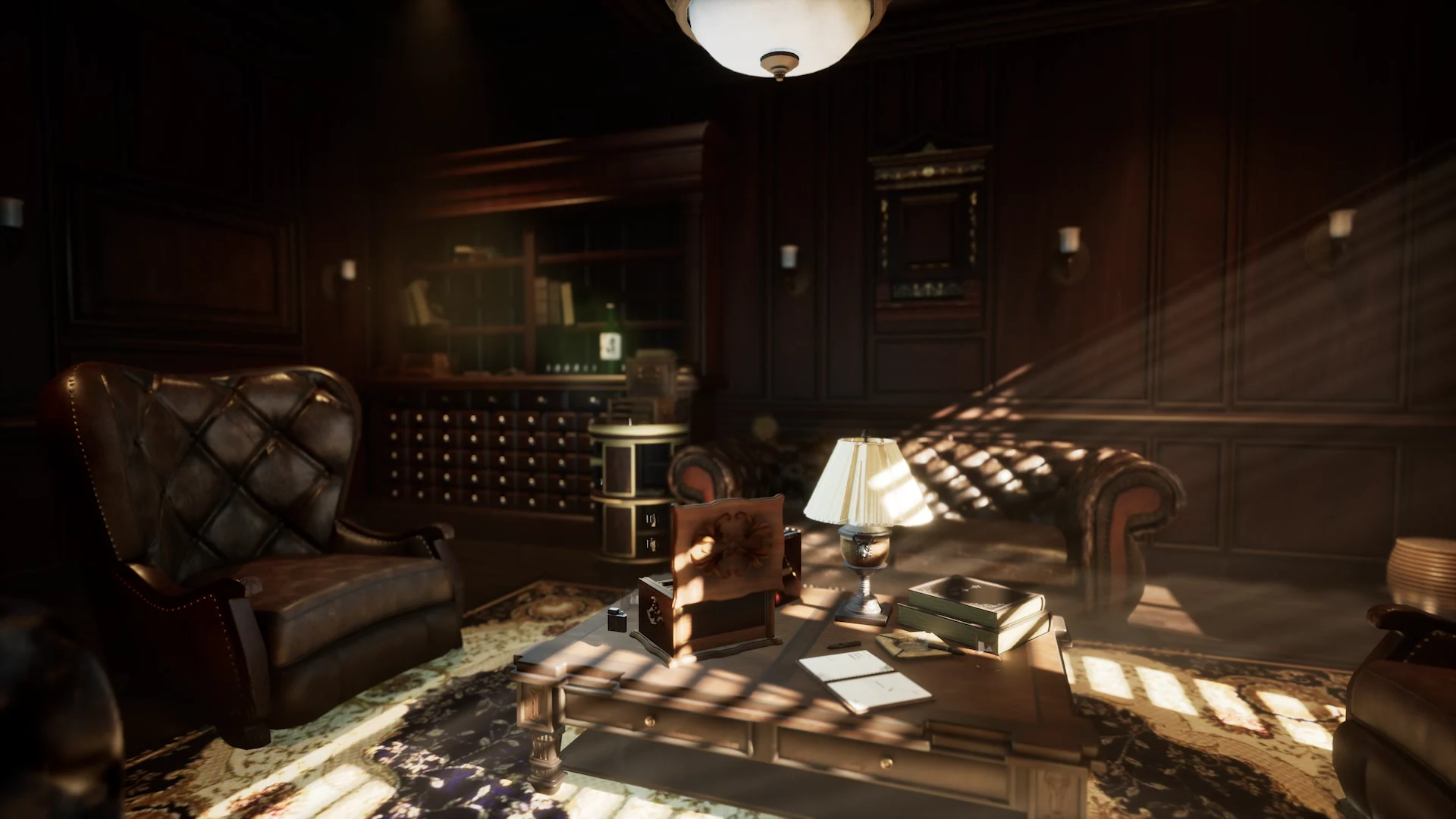
Mood and Visual Storytelling
I approach each environment by first deciding what the space should communicate emotionally. From there, I use the direction, intensity, temperature, and distribution of light to reinforce that feeling rather than treating every part of the environment equally.
- Used brighter focal areas against darker supporting spaces to control attention.
- Varied color temperature to separate spaces and create emotional contrast.
- Used shadow and negative space to preserve depth and mystery.
- Balanced practical or motivated sources with broader environmental illumination.
- Designed compositions to remain readable from the player's expected viewpoints.
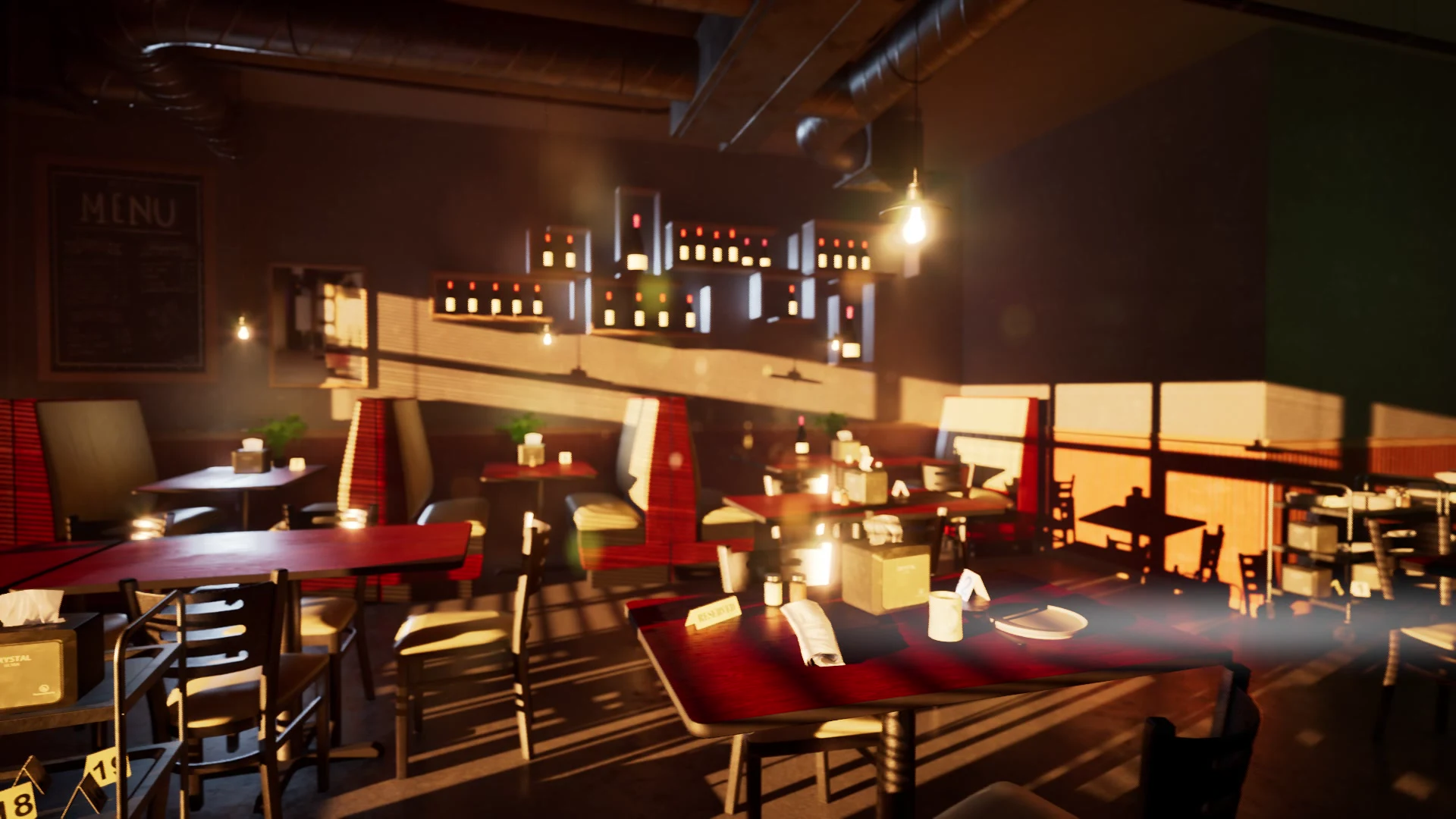
Atmosphere and Depth
Atmospheric effects are especially useful for giving real-time environments a sense of scale and depth. I use volumetric fog and directional light to separate foreground, midground, and background elements while keeping the focal subject legible.
- Used volumetric fog to reveal light direction and add depth between environmental layers.
- Controlled contrast so atmosphere supported silhouettes instead of flattening them.
- Used exposure and post-processing to maintain a consistent visual target.
- Combined environmental lighting and localized accents to establish strong focal points.
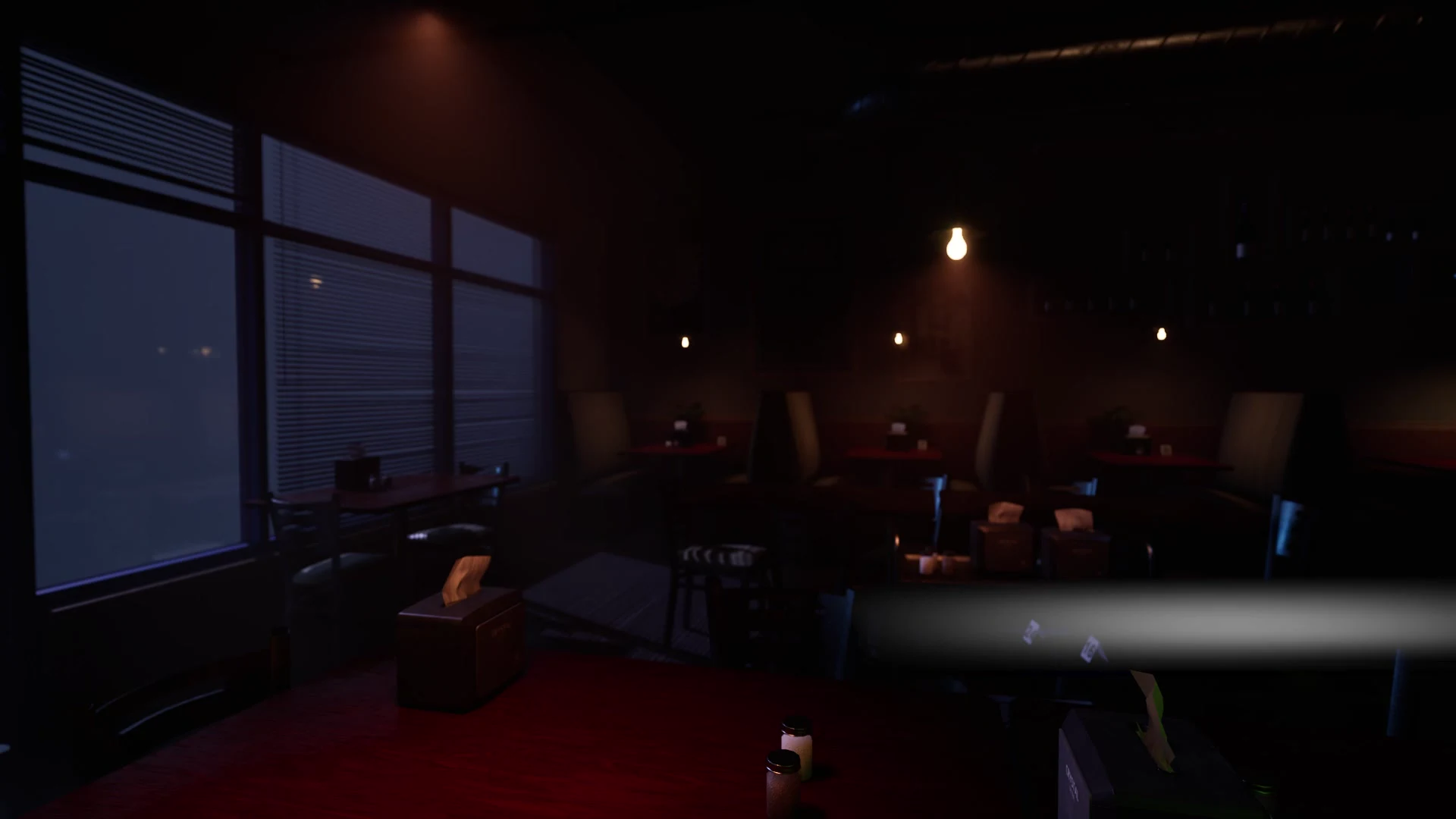
Lighting for Gameplay Readability
The same techniques used for cinematic composition can also communicate gameplay information. Lighting can distinguish a destination from a background space, make interactive geometry easier to read, and create a natural path through an environment.
- Used contrast and saturation to distinguish important destinations from surrounding architecture.
- Kept silhouettes readable in darker scenes.
- Used pools of light to create visual rhythm and implied paths through spaces.
- Adjusted lighting from gameplay cameras rather than evaluating scenes only as still images.
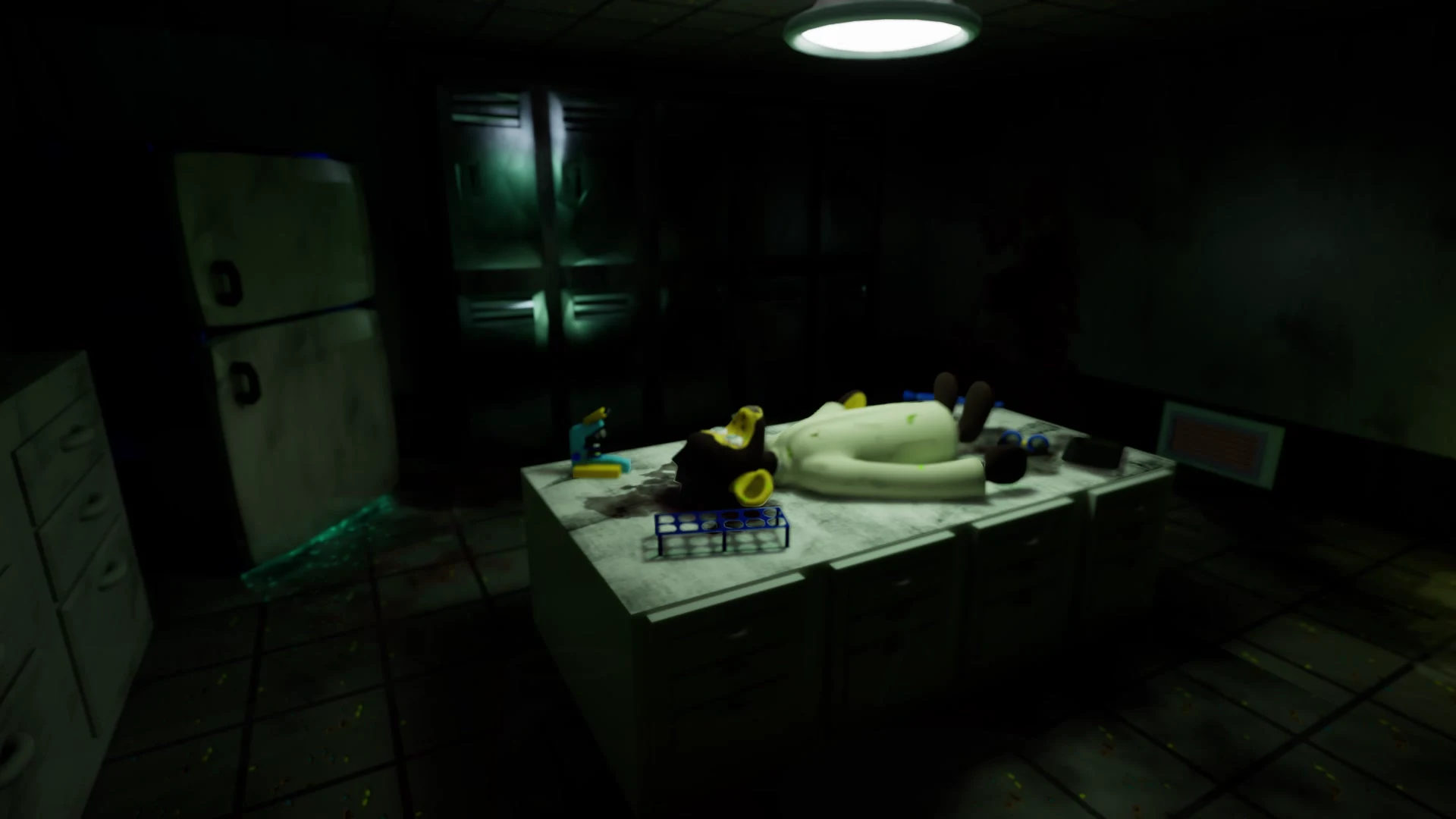
Technical Workflow
These environments were lit in Unreal Engine 5 using a real-time workflow. I iterate between composition, light placement, atmosphere, exposure, and performance while continuously checking the scene from the player's perspective.
- Worked directly in Unreal Engine 5 with real-time lighting and post-processing.
- Used Lumen-based workflows where appropriate for dynamic global illumination and reflections.
- Tuned fog, exposure, shadow, and light intensity together rather than as isolated settings.
- Evaluated scenes in motion to catch exposure shifts and readability issues that still frames can hide.
What I Learned
Building this reel reinforced that effective lighting sits between art and systems thinking. A visually striking frame still has to work as the player moves through it, and every atmospheric decision affects readability, performance, and the overall experience of the environment.
- Strong lighting begins with hierarchy and composition, not simply adding more lights.
- Atmosphere is most effective when it reinforces depth and focal direction.
- Player readability and cinematic presentation can support each other.
- Testing from gameplay viewpoints is essential for judging a real-time scene.
- Subtle lighting changes can substantially change the story a space communicates.